Archiv 1: Argentina 1976, behind/ahead
Archive 1: Argentina 1976, behind/ahead
Am 24. März 1976 begann mit einem Militärputsch die letzte Diktatur in Argentinien, nach einer Phase mehrerer Staatstreiche und kurzer demokratischer Zwischenzeiten. Sie sollte die gewalttätigste werden.
Die wirtschaftliche und politische Gewalt, die in den 1960er-, 1970er-, 1980er- und 1990er-Jahren in ganz Lateinamerika aufkam, brachte eine andere Vorstellung von Kino hervor: etwas, das dem Antlitz der Geschichte rasch und kollektiv ins Auge sehen musste, mit einer neuen Form und einer neuen Grammatik. Diese Auswahl präsentiert eine Reihe von Filmen, die auf diesen Moment blicken – auf das, was zu ihm führte, und das, was danach kam.
Programm 1 Argentina 1976, behind/ahead richtet den Blick auf argentinische Filme vom späten 20. Jahrhundert bis in die frühen 2000er-Jahre – von den ersten Jahren des Verbots des Peronismus bis zu den Monaten nach den Aufständen im Dezember 2001 –, und auf die vielen Gesichter der Gewalt.
Kuratiert von Lucía Salas.
Gefördert durch die Landeszentrale für politische Bildung Hamburg.
On March 24, 1976, a military coup marked the beginning of the last dictatorship in Argentina, following a period of several coups and brief democratic intervals. It would become the most violent one.
The economic and political violence that emerged across Latin America in the 1960s, 1970s, 1980s and 1990s gave rise to another idea of cinema: one that had to look history in the face, quickly and collectively, with a new form and a new grammar. This selection presents a group of films that look at this moment – at what led to it and what came after.
Program 1 Argentina 1976, behind/ahead focuses on Argentine films from the late 20th century to the early 2000s – from the first years of the ban on Peronism to the months following the uprisings of December 2001 – and on the many faces of violence.
Curated by Lucía Salas.
Supported by Landeszentrale für politische Bildung Hamburg.
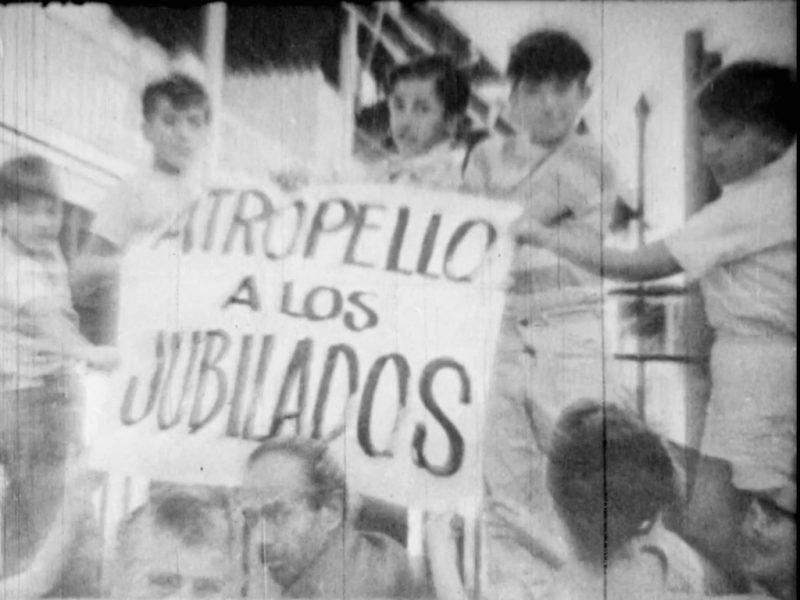
 La paz (The Peace)
Argentinien 1968 | Schwarz-Weiss |
04:42 | Spanisch
La paz (The Peace)
Argentina 1968 | Black & White |
04:42 | Spanish
Der Film bedient sich der Collagetechnik unter Verwendung von Found Footage und kombiniert Bilder aus den damaligen Printmedien mit einer Rede von General Juan Carlos Onganía, dem argentinischen Präsidenten zu der Zeit. Während Onganías Stimme die Vorzüge der selbsternannten argentinischen Revolution preist, stehen die Bilder im Kontrast dazu und zeigen Szenen von Unterdrückung und Armut.
The film uses the technique of collage on found footage, combining images from graphic media of the time with a speech by General Juan Carlos Onganía, the then president of Argentina. While Onganía's voice extols the virtues of the self-proclaimed Argentine Revolution, the images contrast with scenes of repression and poverty.
Teilen
Regie, Script, Kamera, Editing:
Director, Script, Director of photography, Editing:
Grupo Cine Liberación
Regie:
Director:
María Elena Massolo
Grupo Cine Liberación: Ya es tiempo de violencia (1969), La hora de los hornos (1968), El Camino hacia la muerte del viejo Reales (1968), La desconocida (1962)
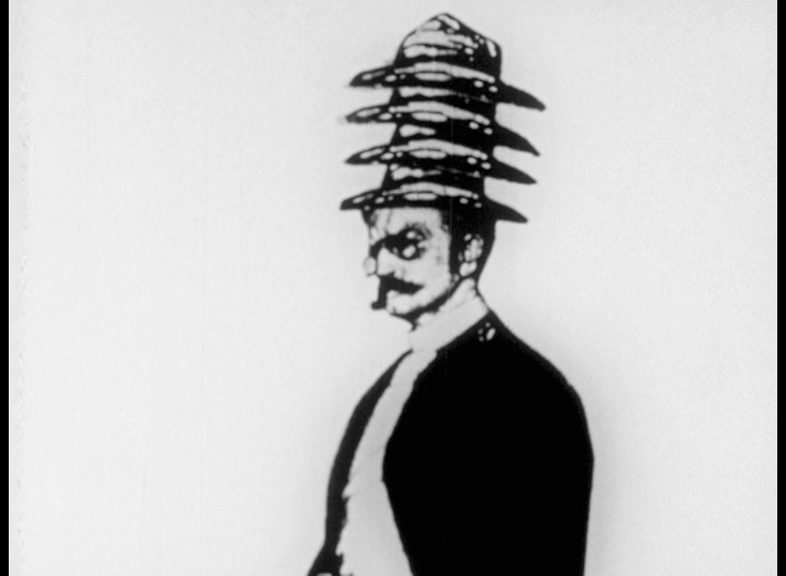
Me matan si no trabajo y si trabajo me matan: La huelga obrera en la fábrica INSUD (They Kill Me if I Don’t Work and if I Work They Kill Me)
Argentinien 1974 | Schwarz-Weiss |
20:04 | Spanisch
Me matan si no trabajo y si trabajo me matan: La huelga obrera en la fábrica INSUD (They Kill Me if I Don’t Work and if I Work They Kill Me)
Argentina 1974 | Black & White |
20:04 | Spanish
Ein Porträt der Lage von Metallarbeitern, die aufgrund der hohen Belastung durch Blei und schlechten Arbeitsbedingungen erkranken und an einer Bleivergiftung sterben. Eine Mischung aus Interviews, Animationen und politischen Kommentaren.
Portrait of the situation of metalworkers, who, due to lead and poor working conditions, become ill and die from lead poisoning. Mixing interviews, animation and political commentary.
Teilen
Regie, Script, Kamera, Editing:
Director, Script, Director of photography, Editing:
Grupo Cine de la Base
Regie:
Director:
Raymundo Gleyzer
Grupo Cine de la Base: La AAA son las tres armas (1977), Banco Nacional de Desarrollo (BND). Comunicado Cinematográfico del ERP Nº2 (1972)
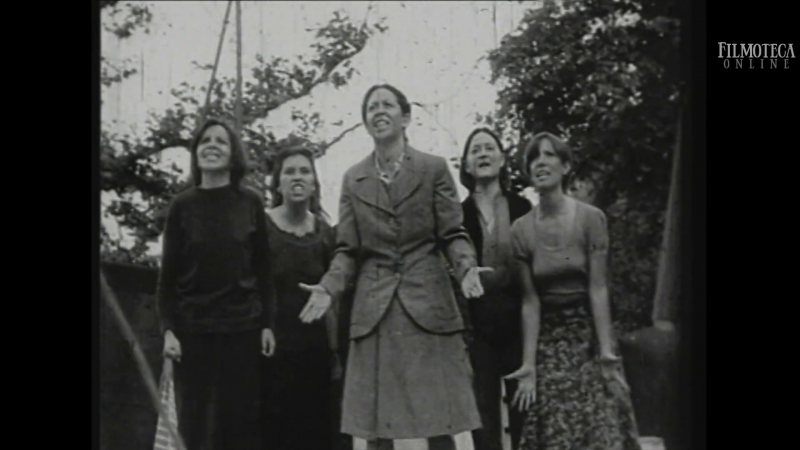
Esta voz... entre muchas (This Voice Among Many)
Argentinien 1979 | Schwarz-Weiss |
43:08 | Spanisch
Esta voz... entre muchas (This Voice Among Many)
Argentina 1979 | Black & White |
43:08 | Spanish
Die Berichte von drei Argentinier:innen – Laura Bonaparte, Carlos González Gartland und Raúl Fonseca – über Unterdrückung und Folter in Argentinien in der Zeit von 1973 bis 1979. Sie entstanden während des Exils des Teams in Mexiko.
The testimonies of three Argentinians: Laura Bonaparte, Carlos González Gartland and Raúl Fonseca about repression and torture in Argentina in the period between 1973 and 1979. It was made during the team's exile in Mexico.
Teilen
Regie, Script, Editing, Ton:
Director, Script, Editing, Sound design:
Humberto Ríos
Kamera:
Director of photography:
Guillermo Navarro
Music:
Music:
Grupo Sanampay
Al grito de este pueblo (1972), Argentina, mayo de 1969: Los caminos de la liberación (1969), Eloy (1969), Faena (1961)

Compañero cineasta piquetero
Argentinien 2002 | Farbe |
14:09 | Spanisch
Compañero cineasta piquetero
Argentina 2002 | Color |
14:09 | Spanish
Ein Kurzfilm, der vollständig von Tito, einem Streikposten aus Lanús, gedreht wurde und einen Bericht aus erster Hand über eine Landbesetzung liefert, die im März 2002 von der Bewegung der arbeitslosen Arbeiter durchgeführt wurde. Der Autor bat darum, für eine Stunde eine Kamera ausleihen zu dürfen, um sein Viertel und dessen Geschichte zu filmen. Tito wurde nie wieder gesehen.
Short film made entirely by Tito, a picketer from Lanús that gives a first-person account of a land occupation carried out by the Unemployed Workers Movement in March 2002. Its author asked to borrow a camera for an hour to film his neighborhood and its history. They never saw Tito again.
Teilen
Regie:
Director:
Movimiento de Trabajadores Desocupados
Regie:
Director:
Indymedia
Regie, Kamera, Editing:
Director, Director of photography, Editing:
Tito
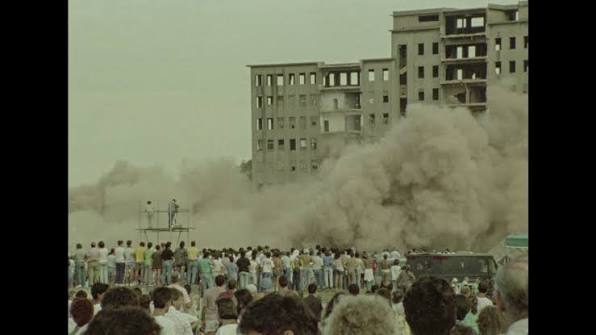
Warnes
Argentinien 1991 | Farbe |
02:50 | Kein Dialog
Warnes
Argentina 1991 | Color |
02:50 | No Dialogue
Eine halbe Tonne Sprengstoff sprengt vor den Augen von 30.000 Menschen einen Gebäudekomplex im Stadtteil La Paternal in Buenos Aires, der als Notunterkunft diente. Am 16. März 1991 hält Narcisa Hirsch dies auf einzigartige Weise fest: Der Riese verwandelt sich in eine Staubwolke, die als Naturphänomen die Stadt mit all ihren Überresten bedeckt.
Half a ton of explosives demolishes in front of thirty thousand people the building complex that served as a shelter in the Buenos Aires neighborhood of La Paternal. On March 16, 1991 Narcisa Hirsch records it in a unique way: that giant becomes a cloud of dust which, as a natural phenomenon, covers the town with all its remains.
Teilen
Regie, Script, Kamera, Editing:
Director, Script, Director of photography, Editing:
Narcisa Hirsch
Pioneros (1979), Come out (1974), Taller (1974), Retrato de una artista como ser humano (1969), Marabunta (1967)
