Archiv 1: The Painful Privilege of Being
Archive 1: The Painful Privilege of Being
Am 24. März 1976 begann mit einem Militärputsch die letzte Diktatur in Argentinien, nach einer Phase mehrerer Staatstreiche und kurzer demokratischer Zwischenzeiten. Sie sollte die gewalttätigste werden.
Die wirtschaftliche und politische Gewalt, die in den 1960er-, 1970er-, 1980er- und 1990er-Jahren in ganz Lateinamerika aufkam, brachte eine andere Vorstellung von Kino hervor: etwas, das dem Antlitz der Geschichte rasch und kollektiv ins Auge sehen musste, mit einer neuen Form und einer neuen Grammatik. Diese Auswahl präsentiert eine Reihe von Filmen, die auf diesen Moment blicken – auf das, was zu ihm führte, und das, was danach kam.
Programm 2 The painful privilege of being blickt auf die Entwicklungen in der Region, von den Revolutionen in Kuba und Chile über den Widerstand in Brasilien, Bolivien und Uruguay bis – über Argentinien – hin zu Palästina. Was waren die Träume der der lateinamerikanischen Linken? Was waren die Albträume der Unterdrückten? Heute, da die Gefahr – oder Realität - der Ultrarechten über der Region schwebt, ist dieses Programm zugleich eine Reise durch die Zeit und ein Handbuch.
Kuratiert von Lucía Salas
Gefördert durch die Landeszentrale für Politische Bildung Hamburg.
On March 24, 1976, a military coup marked the beginning of the last dictatorship in Argentina, following a period of several coups and brief democratic intervals. It would become the most violent one.
The economic and political violence that emerged across Latin America in the 1960s, 1970s, 1980s and 1990s gave rise to another idea of cinema: one that had to look history in the face, quickly and collectively, with a new form and a new grammar. This selection presents a group of films that look at this moment – at what led to it and what came after.
Program 2 The Painful Privilege of Being looks at developments in the region, from the revolutions in Cuba and Chile to resistance in Brazil, Bolivia, and Uruguay, and – via Argentina – to Palestine. What were the dreams of the Latin American left? What were the nightmares of the oppressed? Today, as the threat – or reality – of the far right looms over the region, this program is both a journey through time and an instruction manual.
Curated by Lucía Salas
Supported by Landeszentrale für Politische Bildung Hamburg.
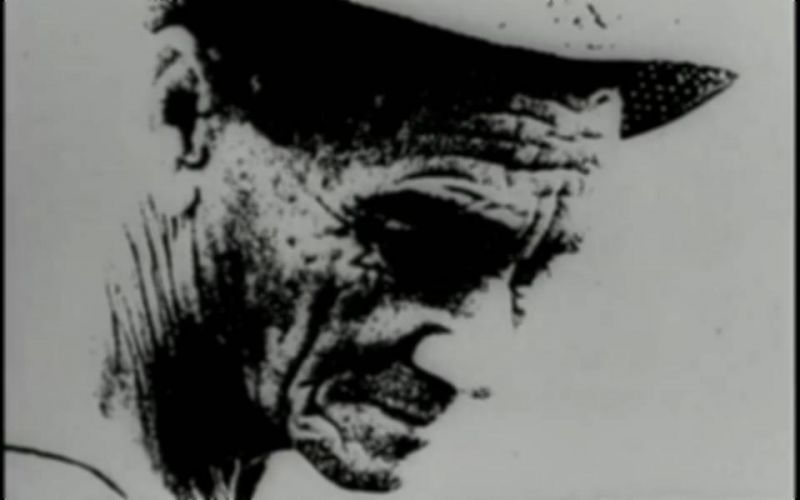
 Lavra Dor
Brasilien 1968 | Schwarz-Weiss |
11:19 | Portugiesisch
Lavra Dor
Brazil 1968 | Black & White |
11:19 | Portuguese
Eine Auseinandersetzung mit der Agrarreform in Brasilien in freier und poetischer Form, die die Kämpfe und Nöte der Landbevölkerung sowie Fragen der Gewerkschaftsbewegung auf dem Land nach dem Militärputsch beleuchtet – eine Art nichtlineare Interpretation von Mário Chamies Gedicht »Lavra-Lavra«.
A debate about the agrarian reform in Brazil, in free and poetic form, showing the countrymen's struggles and hardships, and rural unionism issues after the military coup, kind of a nonlinear interpretation of Mário Chamie's poem »Lavra-Lavra«.
Teilen
Regie, Script:
Director, Script:
Ana Carolina
Regie, Script:
Director, Script:
Paulo Rufino
Script:
Script:
Mário Chamie
Kamera:
Director of photography:
Carlos Ebert
Editing:
Editing:
Franklin Pereira
Ana Carolina: Mar de Rosas (2000), Canto da Terra (1991), Das Tripas Coração (1982) // Paulo Rufino: A Fiandeira (1979), Mar de Rosas (1978), Getúlio Vargas (1974)
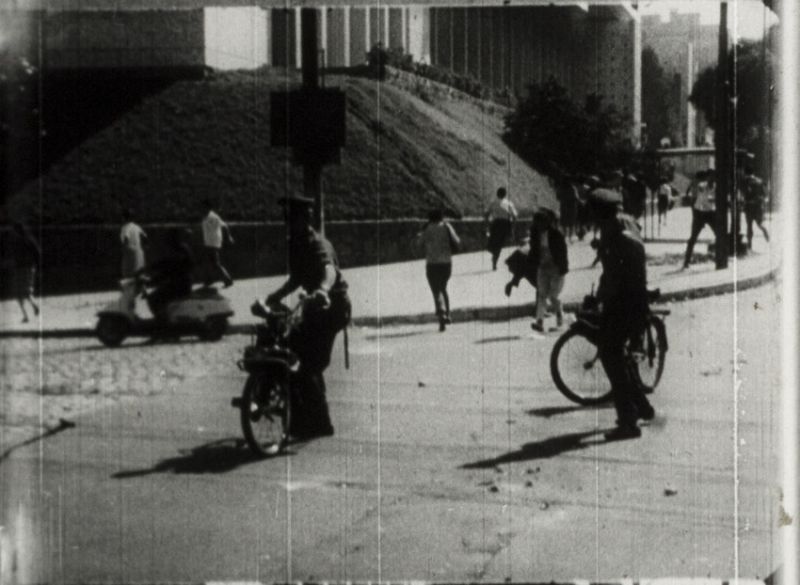
Me gustan los estudiantes (Me gustan los etudiantes)
Uruguay 1968 | Schwarz-Weiss |
06:28 | Spanisch
Me gustan los estudiantes (Me gustan los etudiantes)
Uruguay 1968 | Black & White |
06:28 | Spanish
Während des Gipfeltreffens der Staatschefs in Punta del Este protestieren Studierende. Es kommt zu einer Konfrontation zwischen Präsidenten, Studierenden und repressiven Polizisten. Unterlegt mit dem Lied »Me gustan los estudiantes« von Voleta Parra, gesungen von Daniel Viglietti.
During the Chiefs of State conference at Punta del Este students protest. Counterpoint between presidents, students and repressive policemen. Structured around Voleta Parra's song »Me gustan los estudiantes«, sung by Daniel Viglietti.
Teilen
Regie, Script, Kamera, Editing:
Director, Script, Director of photography, Editing:
Mario Handler
Decile a Mario que no vuelva (2007), Aparte (2002), Mestizo (1989), Dos puertos y un cerro (1976), Líber Arce (1970)
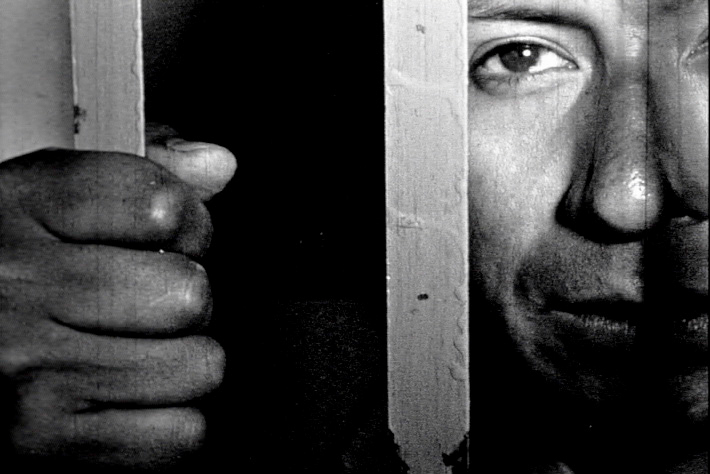
Revolución (Revolution)
Bolivien 1963 | Schwarz-Weiss |
10:20 | Spanisch
Revolución (Revolution)
Bolivia 1963 | Black & White |
10:20 | Spanish
Revolution zeigt die elenden Lebensbedingungen der großen Mehrheit der Einwohner:innen Boliviens – durch Arbeitslosigkeit, mangelhafte Ernährung, schlechte Wohnverhältnisse und eine hohe Kindersterblichkeit. Der Film verweist auf Arbeiterdemonstrationen und die polizeiliche Unterdrückung, der die Bewohner:innen ausgesetzt sind. »Die Menschen kämpfen, kämpfen für diese Traurigkeit, für dieses zerfetzte Hemd, für diese leeren Augen.«
Revolution shows the miserable living conditions of a great majority of the inhabitants of Bolivia. Unemployment, inadequate nutrition, habitat, and infant mortality. References to workers' demonstrations and police repression to which they are subjected. »The people fight, fight for that sadness, for that shirt in pieces, for those dull eyes«.
Teilen
Regie:
Director:
Grupo Ukamau
Regie, Script, Kamera:
Director, Script, Director of photography:
Jorge Sanjinés
Regie, Script:
Director, Script:
Oscar Soria
Music:
Music:
Atahuallpa Yupanqui
Grupo Ukamau: Para recibir el canto de los pájaros (1995), Jatun Auk´a (1974), El Coraje del Pueblo (1971), Yawar Mallku (1969), Ukamau (1966)
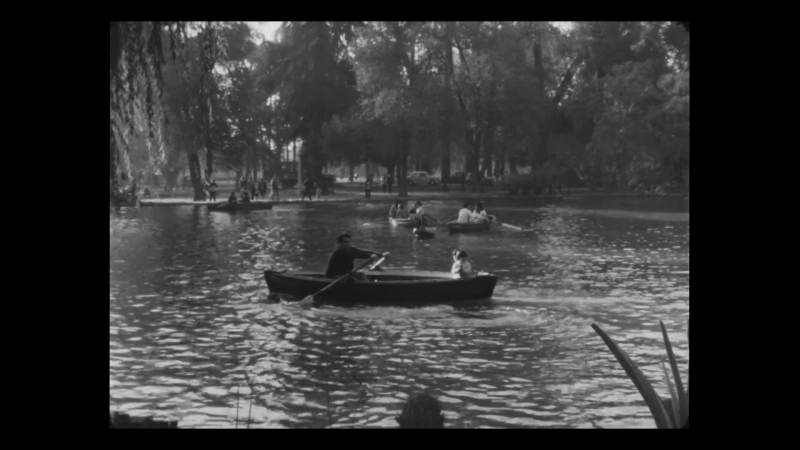
Amuhuelai-mi
Chile 1972 | Schwarz-Weiss |
11:14 | Spanisch
Amuhuelai-mi
Chile 1972 | Black & White |
11:14 | Spanish
Der Film wurde in den städtischen Siedlungen in der Nähe von Temuco gedreht, wo eine migrantische Gemeinschaft von Mapuche lebt, und beleuchtet die Misshandlungen, denen sie durch die »huinca« (ein Schimpfwort der Mapuche für die weißen Chilenen) ausgesetzt sind. (Haus der Kulturen der Welt)
The film was shot in the urban settlements near Temuco, where a Mapuche migrant community lives, and highlights the mistreatment they face at the hands of the »huinca« (a Mapuche slur for white Chileans). (Haus der Kulturen der Welt)
Teilen
Editing:
Editing:
Carlos Piaggio
Regie:
Director:
Marilú Mallet
Diario inacabado (1983), La música de América Latina (1980), El evangelio en Solentiname (1978), No hay olvido (Il n’y a pas d’oubli) (1975), Dónde voy a encontrar otra Violeta (1973)
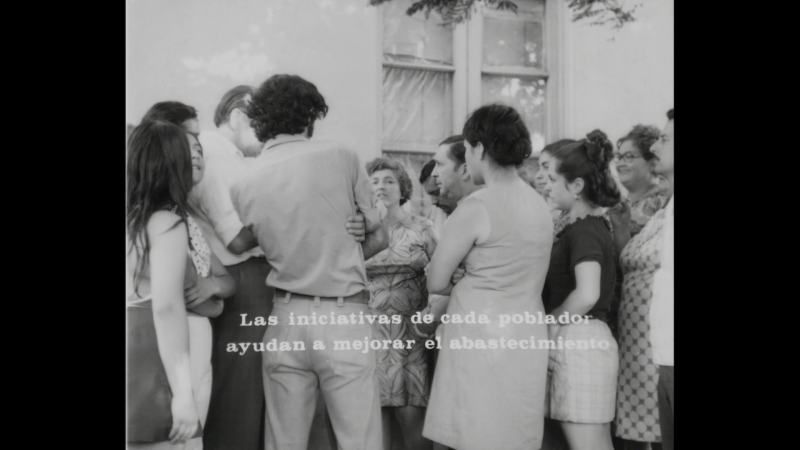
Abastecimiento
Chile 1972 | Schwarz-Weiss |
14:59 | Spanisch
Abastecimiento
Chile 1972 | Black & White |
14:59 | Spanish
Der Film befasst sich mit dem Problem der Versorgungsengpässe, unter denen Chile während der Regierung der »Unidad Popular« litt. Er schildert das Handeln eines Ministers, einer Hausfrau aus dem Bürgertum und einer Basisgruppe der JAP (Versorgungs- und Preisbehörden), einer von der Regierung geförderten Initiative zur Bewältigung der Krise. Dieser Film durfte in Chile nicht gezeigt werden.
The film delves into the problem of shortages that plagued Chile during the Popular Unity government. It depicts the actions of a government minister, a bourgeois housewife, and a grassroots group from the JAP (Supply and Price Boards), a government-sponsored initiative to alleviate the crisis. This film couldn't be released in Chile.
Teilen
Regie:
Director:
Raúl Ruiz
Kamera:
Director of photography:
Sergio Mihovilovic
Editing:
Editing:
Rodolfo Wedeles
Ton:
Sound design:
Miguel Costa
La recta provincia (2007), Palomita blanca (1992), La ville des pirates (1983), Diálogo de exiliados (1974), Tres tristes tigres (1968)
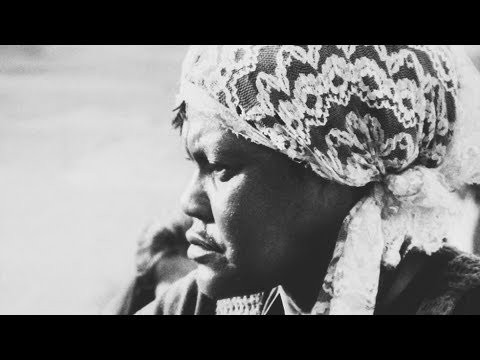
O Tigre e a Gazela (The Tiger and the Gazelle)
Brasilien 1977 | Schwarz-Weiss |
14:48 | Portugiesisch
O Tigre e a Gazela (The Tiger and the Gazelle)
Brazil 1977 | Black & White |
14:48 | Portuguese
Die Gesichter, Gesten und Reden von Bettlern, Verrückten und Feiernden, die durch die Straßen von São Paulo ziehen. Die Klänge und Bilder werden durch Zitate von Frantz Fanon illustriert.
The faces, gestures, and speech of beggars, madmen, and revelers who pass through the streets of São Paulo. The sounds and images are illustrated with excerpts from Frantz Fanon.
Teilen
Regie, Script, Kamera, Editing:
Director, Script, Director of photography, Editing:
Aloysio Raulino
Puberdade (1994), Teremos Infância (1974), Jardim Nova Bahia (1971), Lacrimosa (1970), Retorna, Vencedor (1968)
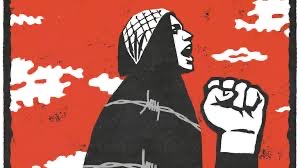
Palestina, otro Vietnam (Palestina, Another Vietnam)
Argentinien, Palästina 1972 | Farbe |
22:33 | Englisch
Palestina, otro Vietnam (Palestina, Another Vietnam)
Argentina, Palestine 1972 | Color |
22:33 | English
Der Film wurde Anfang der 1970er-Jahre vom »Third World Film Collective« in Beirut gedreht und ist ein außergewöhnliches Zeugnis der lateinamerikanischen Solidarität mit der palästinensischen Revolution. Das Team reiste auf dem Landweg in den Libanon und lebte monatelang mit politischen Kadern, Mitgliedern der »Palestinian Film Unit« (PFU), Fedajin und Frauen aus den Flüchtlingslagern zusammen.
Filmed by the Third World Film Collective in the early 1970s in Beirut, Palestine, Another Vietnam stands as an exceptional testament to Latin American solidarity with the Palestinian revolution. The team traveled overland to Lebanon and lived for months with political cadres, members of the Palestinian Film Unit, fedayeen, and women from the refugee camps.
Teilen
Regie:
Director:
Manuela Generali
Regie:
Director:
Colectivo de Cine del Tercer Mundo
Regie:
Director:
Jorge Giannoni
Regie:
Director:
Jorge Denti
Jorge Denti: La huella del doctor Ernesto Guevara (2013), Juan Gelman y otras cuestiones (2006), Malvinas: Historia de traiciones (1984), Las AAA son las tres armas (1977) // Jorge Giannoni: Las vacas sagradas (1977)
