Lab 1: Love’s Labor Lost
Lab 1: Love’s Labor Lost
Ein Blick auf unterschiedliche Erfahrungen von Arbeit über mehrere Jahrzehnte hinweg – in Chile, Peru und Argentinien. Drei Frauen reflektieren darüber, wie sich Arbeit filmisch darstellen lässt. Wie denken sie über Erschöpfung, Verzweiflung und das Gefühl eines verlorenen Lebens nach, vor dem Hintergrund des ständigen Arbeitenmüssens? Wie haben sie ihre Fantasie, ihre Neugier und ihre Sehnsucht durch die Bürden und Verwerfungen hindurchgetragen? Beginnend mit einem dokumentarischen Musical über Striptänzerinnen in Santiago umfasst das Programm ein Klassenporträt der rechtsgerichteten Bourgeosie in Chile kurz vor dem Putsch gegen Allende, gibt Einblicke in die Erfahrungen von jungen Hausangestellten, die aus allen Teilen Perus kommen, um in den reichen Häusern Limas zu arbeiten – und schließt mit den ältesten Bildern und Berichten über die Lebensbedingungen der argentinischen Arbeiterklasse zu Beginn des 20. Jahrhunderts.
Kuratiert von Lucía Salas
Das Programm ist Teil eines großen Fokus auf Feminismus. Feminismus ist kein abgeschlossenes Projekt, sondern eine Praxis des Sehens, Zuhörens und Widerstands. In diesem Schwerpunktprogramm versammeln Kurator:innen aus England, Deutschland, Tanzania und Argentinien filmische Arbeiten, die Geschichte, Gegenwart und Zukunft feministischer Kämpfe erkunden. Die Programme fragen, wie Bilder Machtverhältnisse sichtbar machen – und wie Kino Räume für andere Erzählungen, Gemeinschaft und solidarische Praktiken eröffnen kann.
Love’s Labor Lost looks at four experiences of labor across the decades in Chile, Argentina, and Peru. Three women reflect on how to film labor. How did these women portray exhaustion, despair, and the sense of a life lost to the constant necessity of work? How did they filter their imagination, curiosity, and desire through the cracks of sadness?
From the documentary musical about exotic dancers in Un sueño como de colores; to the witty class portrait of malevolent employers awaiting social justice to end in their favor in La dueña de casa; to the oral horror tales of domestic workers coming from all corners of Peru to work in the wealthy houses of Lima in Porque quería estudiar—the program concludes with Buscar Trabajo, which creates a dialogue between the oldest moving images we have of Argentine workers and some of the earliest reports on the conditions of the working class in the early 20th century.
Curated by Lucía Salas
This program is part of a larger focus on feminism. Feminism is not a
completed project but a practice of seeing, listening, and resisting. In
this focus program, curators from England, Germany, Tanzania, and
Argentina bring together film works that explore the history, present,
and future of feminist struggles. The programs ask how images can make
power relations visible—and how cinema can open spaces for other
narratives, community, and practices of solidarity.

 Un sueño como de colores (A Dream as in Colours)
Chile 1972 | Farbe |
10:53 | Spanisch
Un sueño como de colores (A Dream as in Colours)
Chile 1972 | Color |
10:53 | Spanish
Der Dokumentarfilm zeigt den Alltag und die Arbeit der Frauen, die in zwei legendären Kabaretts in Santiago de Chile – dem »Mon Bijou« und dem »Tap Room« – Striptease-Shows aufführten. Der vor dem Putsch gedrehte Film galt als verschollen, bis er 2021 von Valeria Sarmiento wiederentdeckt und neu geschnitten wurde.
A documentary that portrays the daily life and work of the women who performed striptease shows in two emblematic cabarets in Santiago, Chile: Mon Bijou and Tap Room. Shot before the coup, it was considered lost until 2021, when it was found and re-edited by Valeria Sarmiento.
Teilen
Regie, Script, Editing:
Director, Script, Editing:
Valeria Sarmiento
Kamera:
Director of photography:
Jorge Müller
Amelia Lópes O'Neill (1990), Notre mariage (1984), El hombre cuando es hombre (1982), Poesía popular: la teoría y la práctica (1972)
La dueña de casa (La femme au foyer)
Chile 1975 | Farbe |
24:27 | Spanisch, Französisch
La dueña de casa (La femme au foyer)
Chile 1975 | Color |
24:27 | Spanish, French
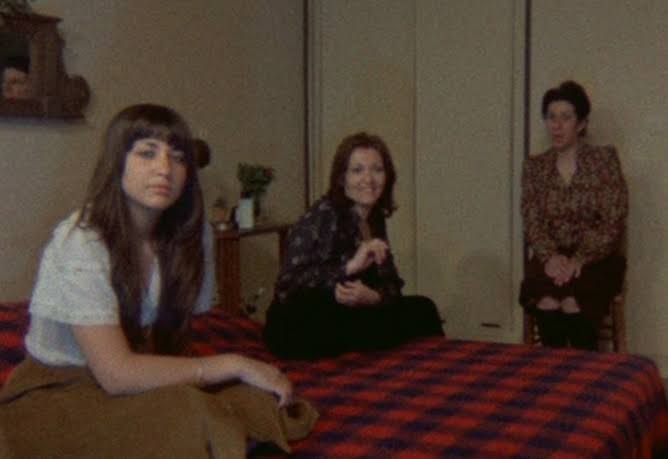
Das Leben einer rechtsgerichteten Hausfrau in Chile in den Tagen vor dem Militärputsch gegen Salvador Allende.
The life of a right-wing housewife in Chile during the days leading up to the military overthrow of Salvador Allende.
Teilen
Regie, Script, Editing:
Director, Script, Editing:
Valeria Sarmiento
Script:
Script:
Raúl Ruiz
Kamera:
Director of photography:
Adrian Cooper
Ton:
Sound design:
Luis Mora
Amelia Lópes O'Neill (1990), Notre mariage (1984), El hombre cuando es hombre (1982), Poesía popular: la teoría y la práctica (1972)
Porque quería estudiar (Because I Wanted to Study)
Peru 1990 | Farbe |
30:33 | Spanisch
Porque quería estudiar (Because I Wanted to Study)
Peru 1990 | Color |
30:33 | Spanish
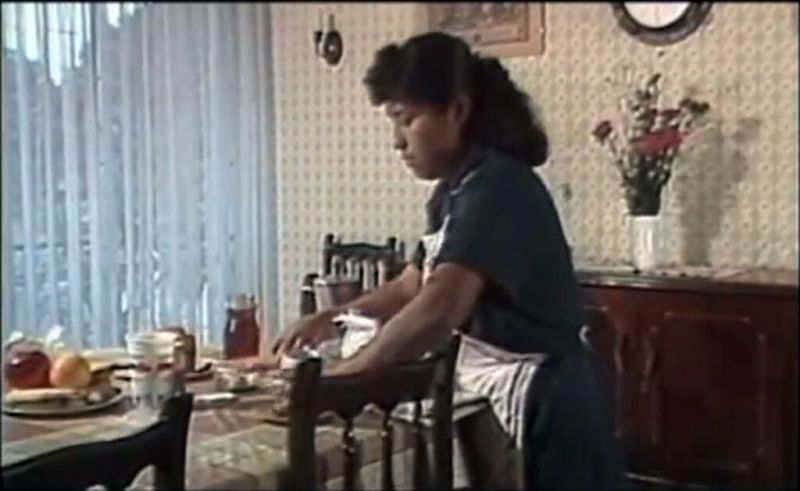
In den Berichten junger Migrantinnen aus bäuerlichen Verhältnissen und anderer Frauen, die noch immer in ihren Gemeinden leben, spiegeln sich der Wunsch, Lesen und Schreiben zu lernen, sowie die Dramatik der Entwurzelung wider.
Through the testimonies of young migrant peasant women and others who still live in their communities, their desire to learn to read and write and the drama of uprooting are reflected.
Teilen
Regie:
Director:
Grupo Warmi
Regie:
Director:
María Barea
Kamera:
Director of photography:
Horacio Faudella
Andere:
Other:
In collaboration with Asociación de trabajadoras del Hogar (ASTHO)
Antuca (1993), Domingo de ramos en Porcón (1989), Miss universo en el perí (1982), Mujeres del planeta (1981)
Buscar trabajo
Argentinien 2024 | Farbe |
24:00 | Spanisch
Buscar trabajo
Argentina 2024 | Color |
24:00 | Spanish
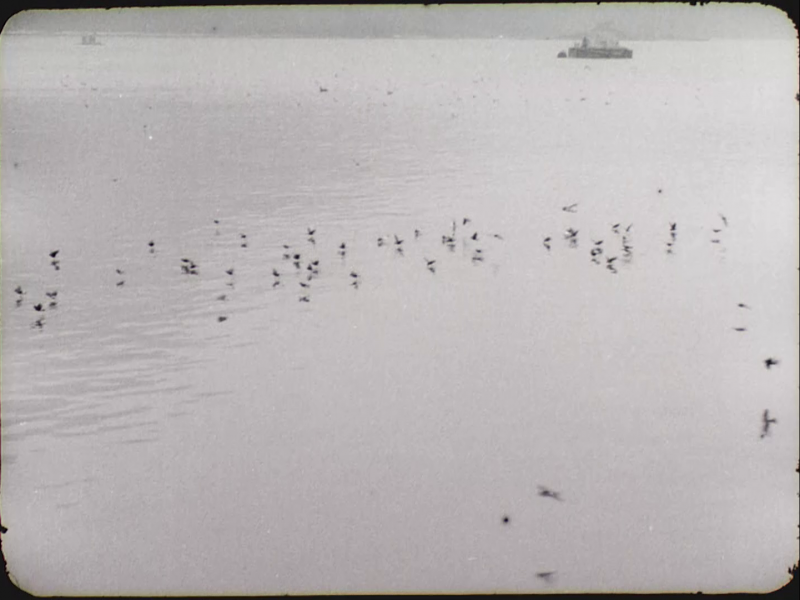
Im Jahr 1903 reist ein Mann durch Argentinien, um die Lebensumstände der Arbeiter:innenklasse zu beobachten. Der Film wurde aus Aufnahmen aus der Nitratfilme-Sammlung des Museo del Cine Pablo Ducrós Hicken zusammengestellt.
In 1903, a man travels through Argentina to observe the state of the working classes. The film was made from images from the nitrate collection of the Museo del Cine Pablo Ducrós Hicken.
Teilen
Stimmen:
Voices:
Pablo Limarzi
Regie, Script, Editing:
Director, Script, Editing:
María Aparicio
Las cosas indefinidas (2023), Sobra las nubes (2022), Hombre bajo la lluvia (2018), Las Calles (2016)
