Internationaler Wettbewerb 2: The Vertigo of Insight
International Competition 2: The Vertigo of Insight
 Flim Flam
Österreich 2026 | Schwarz-Weiss und Farbe |
15:20 | Kein Dialog
Flim Flam
Austria 2026 | Black & White and Color |
15:20 | No Dialogue
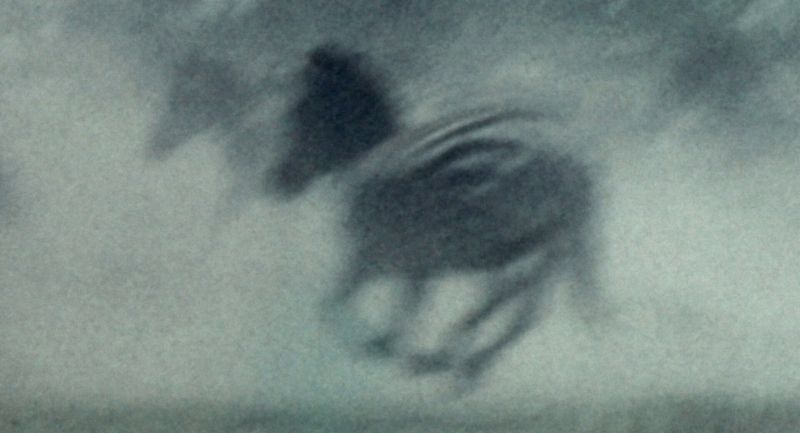
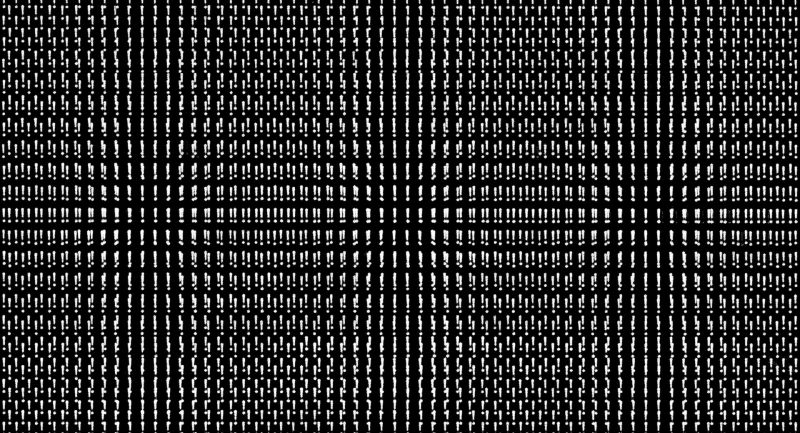
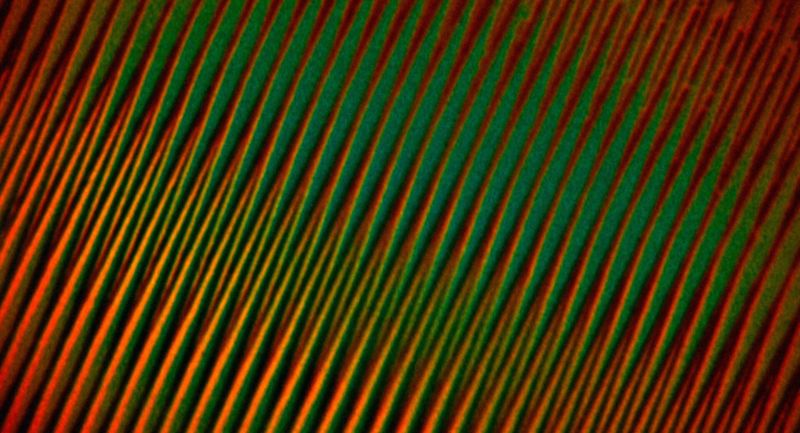
»Flim Flam« – ein Audruck, in dem der Film fast schon drinsteckt, wenn mensch schief draufkuckt – ist ein Begriff, der aufs 16. Jahrhundert zurückgeht und einen Trickbetrug bezeichnet. Der Trick steckt tief in der Grammatik des Kinos, der fantastischen Maschine, die aus Stillstand Bewegung erzeugt. In Flim Flam von Siegfried A. Fruhauf begegnen uns kreisende, pulsierende, flackernde Bilder, deren Welthaltigkeit mal mehr und mal weniger deutlich wird. Satzzeichen und Leinwandperforationslöcher, flirrende Bilder von wilden Zebras, von einem Spielzeugzebra in einer Kinderhand. Was im Wahrnehmungstanz der Zeichen – wenn es denn welche sind – in Bewegung gerät: Abbildung und Abstraktion, Illusion und Irritation, Unterbrechung und Muster, Täuschung und Wahrheit, Bedeutung und Schönheit. Kino über das Kino, und wie die Welt in ihm drin steckt. (Sebastian Markt)
Content notes:
Stroboskoplicht oder schneller Bildwechsel
»Flim Flam« – an expression that almost seems to contain the film itself if you look at it askance – is a term dating back to the 16th century meaning »confidence trick«. The trick is deeply embedded in the grammar of cinema, that fantastical machine which generates movement from stillness. In Flim Flam by Siegfried A. Fruhauf, we encounter circling, pulsating, flickering images whose connection to the real world becomes sometimes more and sometimes less clear. Punctuation marks and film perforations, shimmering images of wild zebras, of a toy zebra in a child’s hand. What comes into motion in the perceptual dance of the signs – if indeed they are signs: representation and abstraction, illusion and irritation, interruption and pattern, deception and truth, meaning and beauty. Cinema about cinema, and how the world is contained within it. (Sebastian Markt)
Content notes:
Stroboskoplicht oder schneller Bildwechsel
Teilen
Sales:
Sales:
Gerald Weber
Regie, Script, Kamera, Editing, Ton:
Director, Script, Director of photography, Editing, Sound design:
Siegfried A. Fruhauf
(Selection) This Arrow Points (2025), Mare Imbrium (2024), Cave Painting (2023), Thorax (2019), Phantom Ride Phantom (2017), Vintage Print (2015)
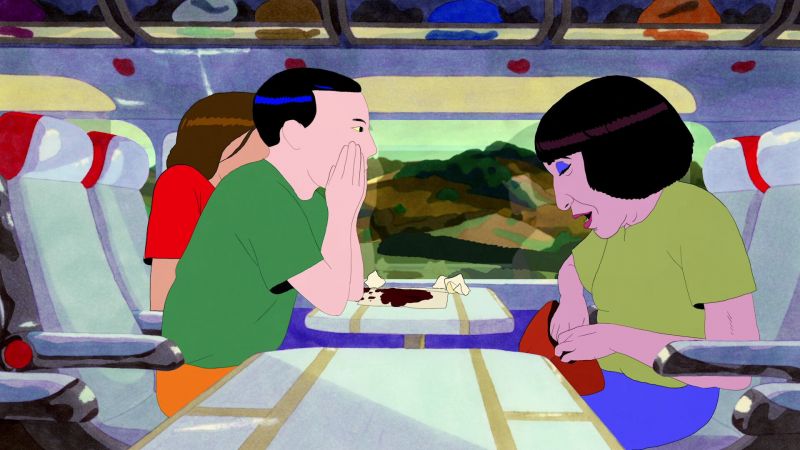

Dieu est timide (God Is Shy)
Frankreich 2025 | Farbe |
15:34 | Französisch
Dieu est timide (God Is Shy)
France 2025 | Color |
15:34 | French
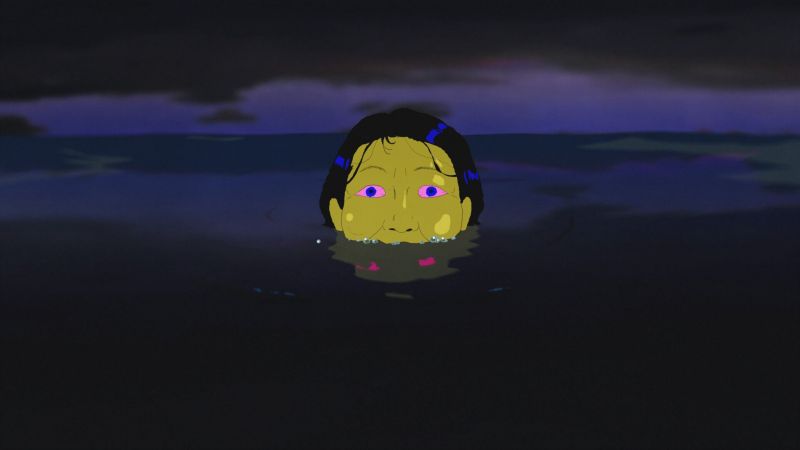
In einem Hochgeschwindigkeitszug vertreiben sich zwei Freunde die Zeit damit, ihre tiefsten Ängste zu zeichnen. Als ein mysteriöser Fahrgast einsteigt, wird ihnen allmählich klar, dass diese Skizzen vielleicht weniger abstrakt sind, als sie angenommen hatten. In seinem Animationsdebüt als Regisseur wagt es Jocelyn Charles, jene Fragen zu stellen, die uns nachts wach halten. Mit kräftigen Farben und berührender Sensibilität verleiht er Gefühlen Gestalt, die sich mit Worten nicht fassen lassen – während er seine eindringlichen Bilder aus den Rissen des modernen Lebens hervorquellen lässt. God Is Shy ist zugleich humorvoll und erschreckend und zeigt, wie das Erzählen von Geschichten uns bis ins Mark erschüttern kann, während es die Psyche seiner Figuren – und damit auch unsere eigene – offenlegt. (Moritz Maul)
Content notes:
Psychische Gesundheit, Körperliche Gewalt
On board a high-speed train, two friends pass the time by drawing their deepest fears. With the arrival of a mysterious passenger, they begin to realize that these sketches might be less abstract than they had assumed. In his animation short film debut, director Jocelyn Charles dares to ask the questions that keep us up at night. In bold colors and with touching sensitivity, Charles gives shape to feelings that words can’t grasp, as he lets his haunting imagery spill out of the cracks of modern life. Both humorous and horrifying, God Is Shy demonstrates the ability of storytelling to shake us to the core, as it unravels the psyches of its characters and ours along with them. (Moritz Maul)
Content notes:
Psychische Gesundheit, Körperliche Gewalt
Teilen
Regie, Animation, Script, Editing:
Director, Animation, Script, Editing:
Jocelyn Charles
Animation:
Animation:
Hugues Valin
Animation:
Animation:
Tamerlan Bekmurzayev
Music:
Music:
P.r2b
Ton:
Sound design:
Matthieu Gasnier
Sales:
Sales:
Anaïs Colpin
Produzent:in:
Producer:
Joséphine Mancini
Produktionsfirma:
Production company:
Remembers
A Train Leaves the Station
Ägypten 2026 | Farbe |
20:00 | Arabisch
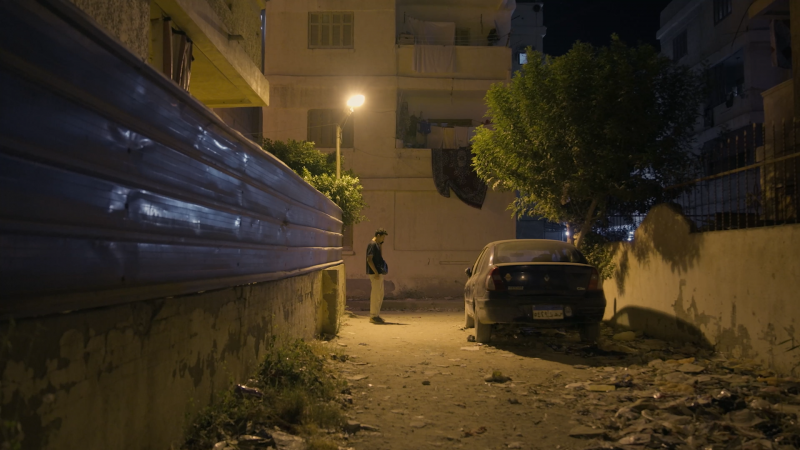
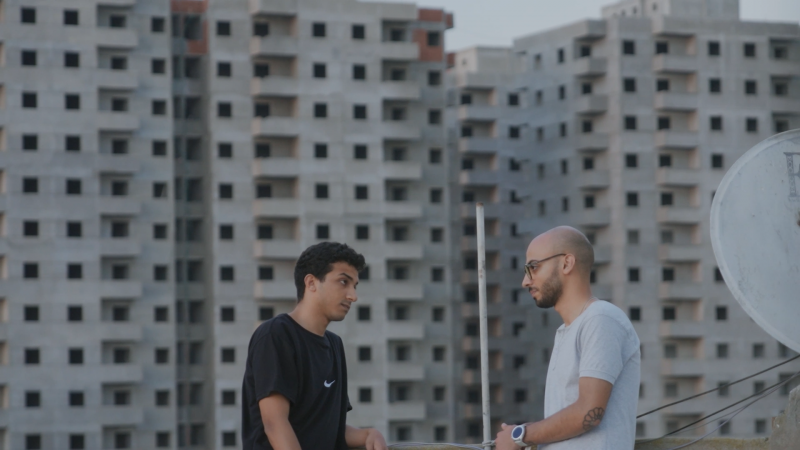
A Train Leaves the Station
Egypt 2026 | Color |
20:00 | Arabic
Metapher und Bewegung: Seit seinen Ursprüngen hat sich das Kino für Züge interessiert (Lumière). Mahmoud Ibrahim ist sich dieser Tradition bewusst, und in seinem Film fährt der Zug nicht an, sondern ab. Und zwar nach Alexandria, denn dort hat Ahmed beschlossen, Film zu studieren – trotz der Skepsis seiner liebevollen Mutter, der anhaltend schwierigen Wirtschaftslage und der Auswanderungswünsche seiner Zeitgenoss:innen und Freunde. Die alte Frage der Jugend schwebt im Raum: Soll ich bleiben oder soll ich gehen? A Train Leaves the Station ist zugleich eine urbane Studie und die Erkundung einer jungen Seele – ein ehrlicher Film von ruhiger Schönheit, der eine bemerkenswerte Nähe zu seinen Figuren aufweist. In Kafr El-Dawar, wo der Film gedreht wurde, sind alle Kinos abgerissen worden, sagt die Mutter des jungen Protagonisten, der darauf antwortet: Trotzdem heiße eine Straße immer noch »Cinema Street« – die Straße, die an ihrem Ende zum Bahnhof führt. (Alejo Franzetti)
Metaphor and Movement: Since its very beginning, cinema has been fascinated by trains (Lumière). Mahmoud Ibrahim is well aware of this tradition, and in his film, the train, rather than arriving, will depart – toward Alexandria, where Ahmed has decided to study film, despite the concerns of his loving mother, the ever-challenging economic context, and the emigration desires of his contemporaries and friends. The old question of youth hangs in the air: should I stay or should I go? Both an urban study and an exploration of a young soul, A Train Leaves the Station is a sincere film of serene beauty with a remarkable closeness to its characters. In Kafr El-Dawar, where the film was shot, all the cinemas have been demolished, says the mother of the young protagonist, and he replies: »Yet, one street is still called ›Cinema Street‹« — the street that terminates at the train station. (Alejo Franzetti)
Teilen
Regie, Produzent:in, Script, Kamera, Editing:
Director, Producer, Script, Director of photography, Editing:
Mahmoud Ibrahim
Script:
Script:
Ahmed Khalil
Ton:
Sound design:
Mohamed Al Taweel
Darsteller:innen, Showrunner:
Cast, Showrunner:
Ahmed Ghazy
Darsteller:innen:
Cast:
Hanan Hennawy
Darsteller:innen:
Cast:
Mohamed Assy
Darsteller:innen:
Cast:
Fady Kamal
Executive producer:
Executive producer:
Ahmed Essam
Andere:
Other:
Ahmed Abo Elfadl
Andere:
Other:
Andrew Mamdouh
Produktionsfirma:
Production company:
HandyCam Films
Stimmen:
Voices:
Myada Alaa
Stimmen:
Voices:
Mostafa Magdy
The Last Day (2024)
Morgenkreis (Morning Circle)
Deutschland, Kanada, Vereinigte Arabische Emirate 2025 | Farbe |
20:31 | Arabisch, Armenisch, Deutsch
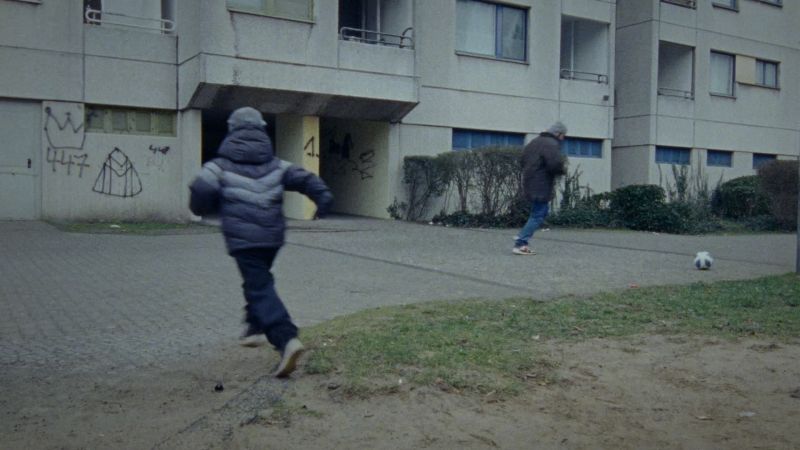
Morgenkreis (Morning Circle)
Germany, Canada, United Arab Emirates 2025 | Color |
20:31 | Arabic, Armenian, German
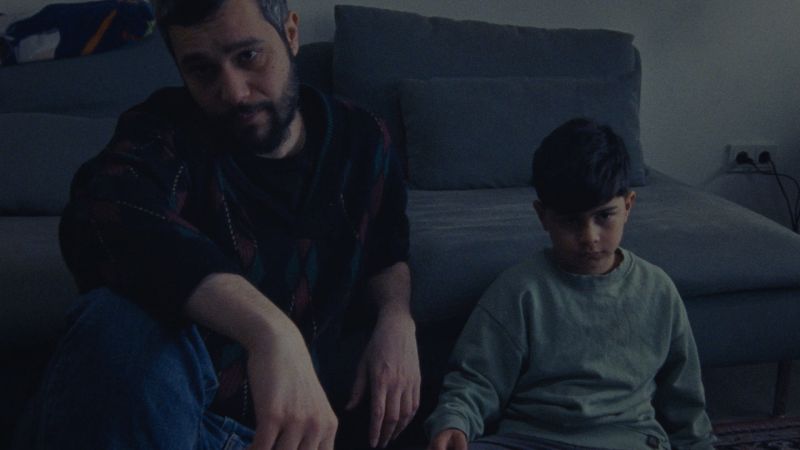
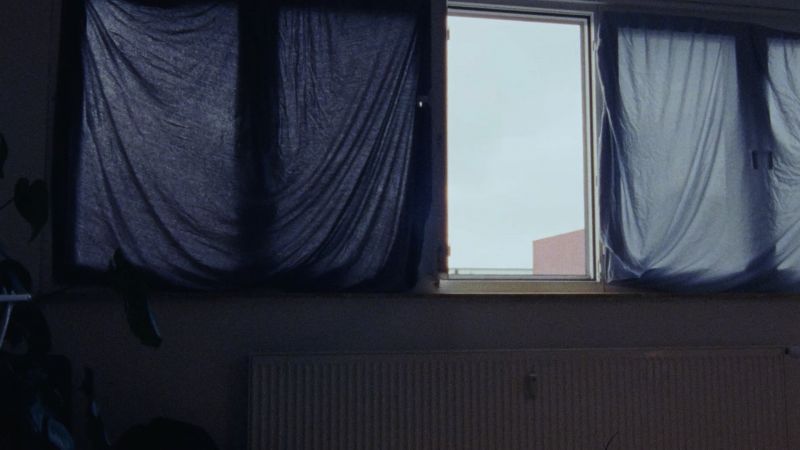
»Können Sie zurückkehren? Würden Sie gern wieder zurück Herr Abrahamyan? Haben Sie Familie hier? Mögen Sie es hier oder verbringen Sie die meiste Zeit mit ihrer Community?« Fragen aus dem Off. Fragen nach Integration und Assimilation. Es ist dunkel. Früher Morgen. Der Vater bereitet den Sohn für den Tag vor. Intime Rituale, bevor es losgeht zur Kita. Dort steht beiden der Abschied für den Tag bevor. Der Morgenkreis kann beginnen. Die Kinder werden auf den Tag mit Reimen und Liedern eingestimmt. Und doch ist der Abschied auch eine Form der Trennung. Morgenkreis macht die Spannungen des Lebens im Exil spürbar. Unter der glatten, grauen Betonoberfläche brodelt es. Eindringlich zieht sich der Kreis enger. (Maike Mia Höhne)
Content notes:
Politische Gewalt, Flucht- oder Kriegserfahrung, Rassismus
»Can you go back? Would you like to return, Mr. Abrahamyan? Do you have family here? Do they like it here, or do they spend most of their time with their community?« Voice-over questions. Questions about integration and assimilation. It is dark. Early morning. The father gets his son ready for the day. Intimate rituals before they head off to daycare. There, both face the day’s farewell. Morning circle can begin. The children are prepared for the day with rhymes and songs. And yet, saying goodbye is also a form of separation. Morning Circle makes the tensions of life in exile palpable. Beneath the smooth, gray concrete surface, things are simmering. The circle tightens with intensity. (Maike Mia Höhne)
Content notes:
Politische Gewalt, Flucht- oder Kriegserfahrung, Rassismus
Teilen
Regie:
Director:
Basma al-Sharif
Kamera:
Director of photography:
Simon Veroneg
Editing:
Editing:
Juna Suleiman
Music:
Music:
Maurice Louca
Music:
Music:
Benhayyi Al-Baghbaghan
Ton:
Sound design:
Federico Chiari
(Selection) It's So Beautiful Here (2025), Capital (2022), Ouroboros (2017), Deep Sleep (2014), High Noon (2014), Home Movies Gaza (2013)
