Lab 1: Deutschland, D̶e̶u̶t̶s̶c̶h̶l̶a̶n̶d̶, Gefühl ist Widerstand
Lab 1: Germany, G̶e̶r̶m̶a̶n̶y̶, to Feel Is to Resist
Dieses Programm richtet sich wie ein Brennglas auf Deutschland. Vier Frauen blicken durch die große Linse der Filmkunst – und die Leinwand fängt Feuer. Die Filmemacher:innen greifen zu Kamera, Ton und Montage, um dem Gefühl der Ohnmacht in Deutschland etwas entgegenzusetzen. Ob Alltagsrituale, Architektur, Sprache oder staatliche Prozesse: In allen drei Filmen wiederholen sich diese Motive, werden so zu Bausteinen einer gemeinsamen filmischen Sprache. Cynthia Beatts Kamera fängt die Atmosphäre der Entfremdung im Nachkriegs-West-Berlin der 1980er-Jahre ein. Gerbaulet&Bernien versuchen, die Tatorte der NSU-Morde in den frühen 2000ern filmisch zu (be)greifen. Mit Basma al-Sharifs Film Morgenkreis steigen wir hinab in schwindelerregenden Tiefen der kalten Architektur Berlins. Das Besondere an diesen Filmen: je ökonomischer ihre filmischen Mittel, desto stärker ihre emotionale Wucht. In einem Zustand von Schockstarre tut es gut, zu fühlen. Ein Filmprogramm für alle, die auf der Suche sind nach einer Stimme in Zeiten von großer Sprachlosigkeit.
Kuratiert von Maxa Zoller
Das Programm ist Teil eines großen Fokus auf Feminismus. Feminismus ist kein abgeschlossenes Projekt, sondern eine Praxis des Sehens, Zuhörens und Widerstands. In diesem Schwerpunktprogramm versammeln Kurator:innen aus England, Deutschland, Tanzania und Argentinien filmische Arbeiten, die Geschichte, Gegenwart und Zukunft feministischer Kämpfe erkunden. Die Programme fragen, wie Bilder Machtverhältnisse sichtbar machen – und wie Kino Räume für andere Erzählungen, Gemeinschaft und solidarische Praktiken eröffnen kann.
This program focuses on Germany as if through a magnifying glass. Four women look through the large lens of cinema—and the screen catches fire. The filmmakers use camera, sound, and editing to confront the feeling of powerlessness in Germany. Whether everyday rituals, architecture, language, or state processes: these motifs recur across all three films, becoming building blocks of a shared cinematic language.
Cynthia Beatt’s camera captures the atmosphere of alienation in postwar West Berlin of the 1980s. Gerbaulet & Bernien attempt to filmically grasp the crime scenes of the NSU murders in the early 2000s. With Basma al-Sharif’s film Morning Circle, we descend into the dizzying depths of Berlin’s cold architecture.
What makes these films special is that the more economical their cinematic means, the greater their emotional impact. In a state of shock-induced paralysis, it can feel good simply to feel. A film program for anyone searching for a voice in times of profound speechlessness.
Curated by Maxa Zoller
The program is part of a larger focus on feminism. Feminism is not a completed project but a practice of seeing, listening, and resisting. In this focus program, curators from England, Germany, Tanzania, and Argentina bring together film works that explore the history, present, and future of feminist struggles. The programs ask how images can make power relations visible—and how cinema can open spaces for other narratives, community, and practices of solidarity.
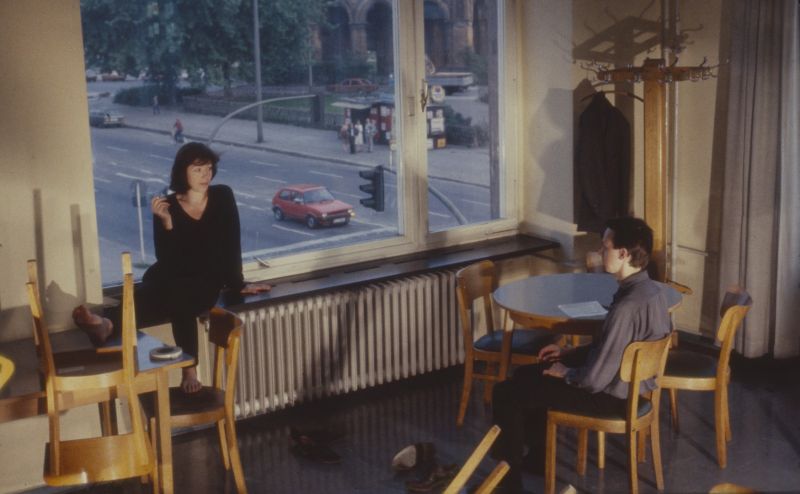
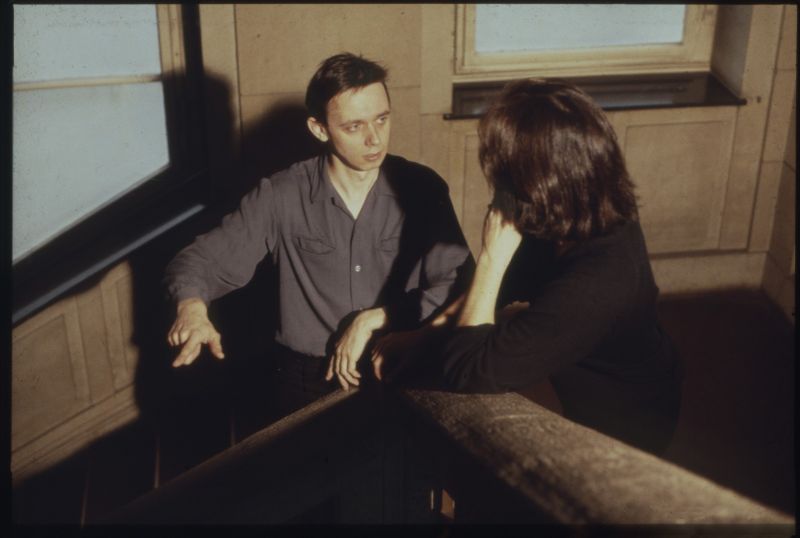
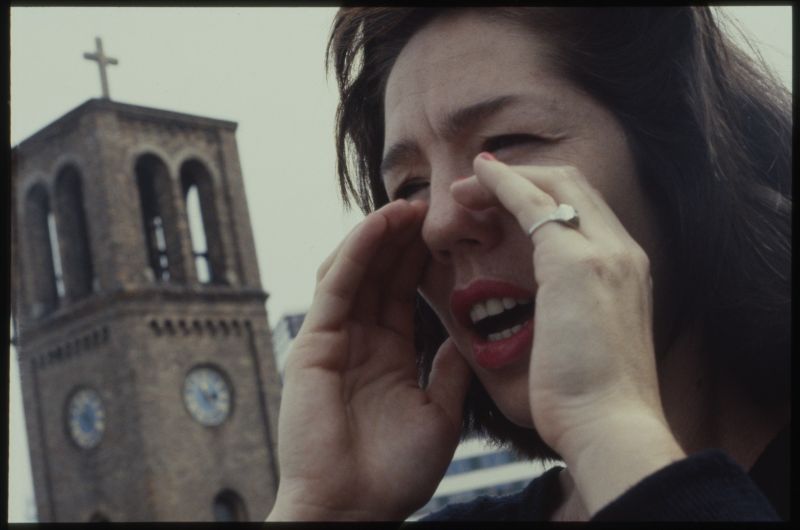
 Böse zu sein ist auch ein Beweis von Gefühl (Fury Is a Feeling Too)
BRD 1983 | Farbe |
25:00 | Deutsch
Böse zu sein ist auch ein Beweis von Gefühl (Fury Is a Feeling Too)
West Germany 1983 | Color |
25:00 | German
Cynthia Beatt regt zum Nachdenken an und wirft Fragen zu einer Reihe von Themen aus dem Bereich Sprache, Politik und Kultur auf. Ihr Film ist eine persönliche und kathartische Konfrontation mit ihrem eigenen Status als Nichtdeutsche in Berlin in den 1970er- und -80er Jahren – einem Berlin, das von der Last der Geschichte erdrückt wird. Gefilmt in der Gegend um den Potsdamer Platz, dem zerrissenen Gebiet direkt an der Mauer, an dem die Nachkriegsbauten aus den Bombenkratern wuchsen, zeichnet der Film das Bild des Verlusts einer Architektur, mit deren Zerstörung auch ein kultureller Kontext verloren ging. (Berlinale)
Cynthia Beatt raises questions and provokes reflection on a range of issues to do with language and culture, politics and history. Her film is a personal and cathartic confrontation with being a foreigner in Berlin, burdened by the weight of its history, during the 1970s and ‘80s. Filmed in the area around Potsdamer Platz, the torn-up area right next to the Wall where post-war buildings grew out of the bomb craters, the film paints the picture of the loss of an architectural text whose destruction also meant the disappearance of a cultural context. (Berlinale)
Teilen
Regie, Kamera:
Director, Director of photography:
Cynthia Beatt
Kamera:
Director of photography:
Elfi Mikesch
Kamera:
Director of photography:
Ebba Jahn
Editing:
Editing:
Dörte Völz
Music:
Music:
Maurice Weddington
Ton:
Sound design:
Margit Eschenbach
Ton:
Sound design:
Gerda Grossmann
The Party – Nature Morte (1990), Cycling the Frame (1988), The Dakui Gao Trio (1986), Namosi (1986), Beschreibung einer Insel (1980)
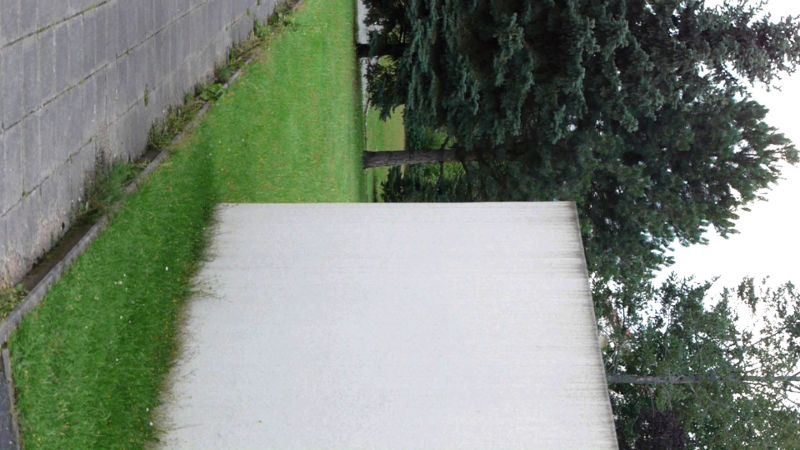
Tiefenschärfe (Depth of Field)
Deutschland 2017 | Farbe |
14:22 | Deutsch
Tiefenschärfe (Depth of Field)
Germany 2017 | Color |
14:22 | German
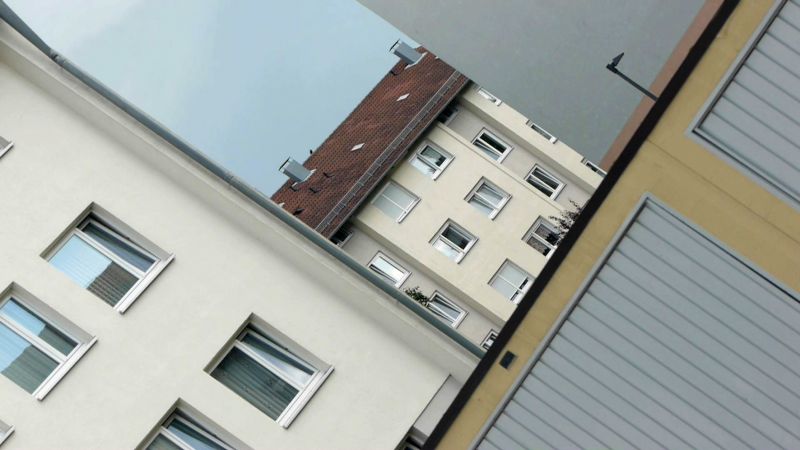
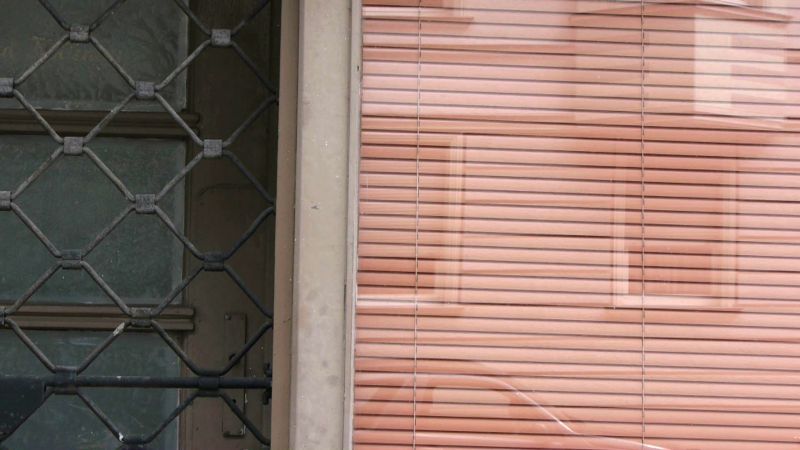
Ein Blumenstand, eine Schneiderei, ein Imbisswagen: drei Orte in Nürnberg, die zu Tatorten wurden, als der sogenannte Nationalsozialistische Untergrund (NSU) zwischen 2000 und 2005 drei Morde an Geschäftsinhabern mit Migrationshintergrund verübte. Tiefenschärfe setzt das Bodenlose der rassistisch motivierten Taten ins Bild; die Achse der Kamera gerät immer wieder aus dem Lot. Der Off-Kommentar verknüpft Alltagsbeobachtungen und -begegnungen mit Informationsfragmenten aus den Medien sowie aus den Mordermittlungen, welche sich bis zur Selbstenttarnung des NSU im Jahr 2011 ausschließlich gegen die Mordopfer und deren Familien richteten.
A flower stand, a tailor shop, a snack car: three places in Nuremberg that became crime scenes when the so-called National Socialist Underground (NSU), a far-right terrorist group, murdered three business owners with migrant backgrounds between 2000 and 2005. Depth of Field examines the abysmal depth of these racially motivated crimes; the axis of the camera repeatedly tilts. The off-screen commentary describes everyday scenes and encounters, interweaving them with fragments from media coverage and murder investigations, which were solely directed against the victims and their families until the NSU uncovered itself in 2011.
Teilen
Produktionsfirma, Regie, Editing, Ton, Script:
Production company, Director, Editing, Sound design, Script:
Mareike Bernien
Produktionsfirma, Ton, Regie, Editing, Script:
Production company, Sound design, Director, Editing, Script:
Alex Gerbaulet
Kamera:
Director of photography:
Jenny Lou Ziegel
(Selection) Sonne Unter Tage (2022)
Morgenkreis (Morning Circle)
Deutschland, Kanada, Vereinigte Arabische Emirate 2025 | Farbe |
20:31 | Arabisch, Armenisch, Deutsch
Morgenkreis (Morning Circle)
Germany, Canada, United Arab Emirates 2025 | Color |
20:31 | Arabic, Armenian, German
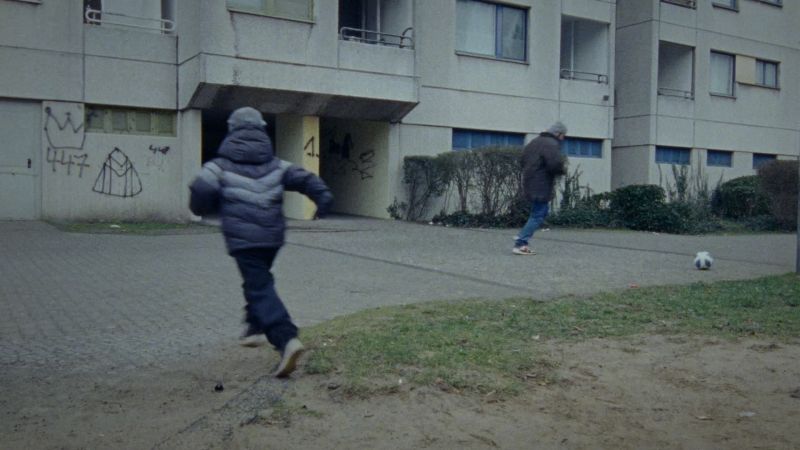
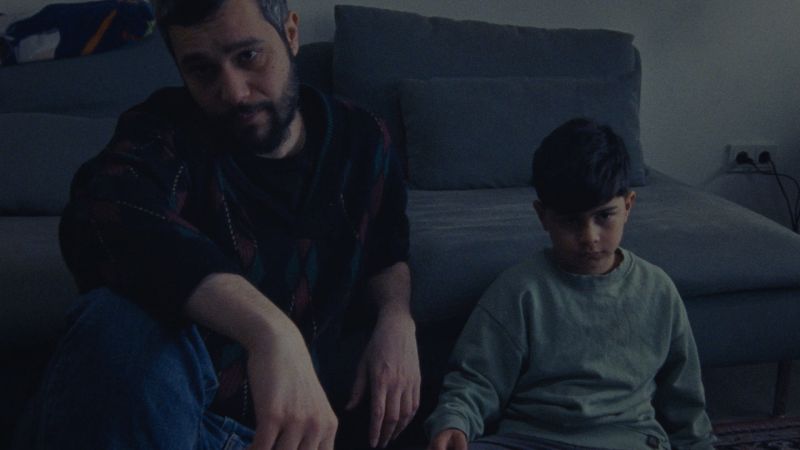
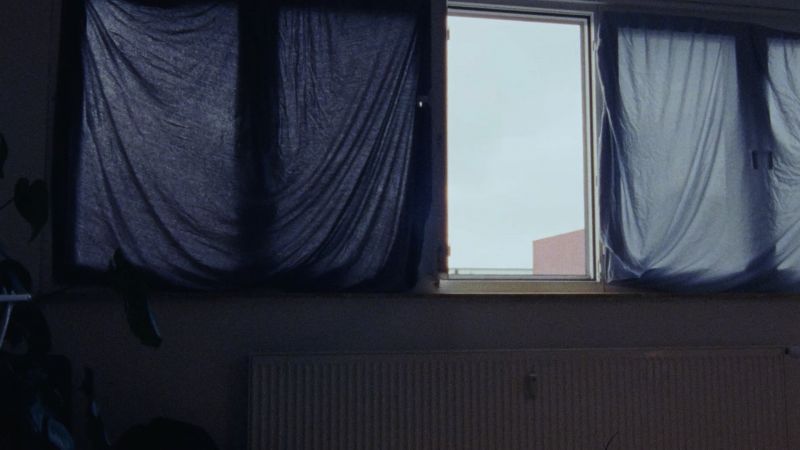
»Können Sie zurückkehren? Würden Sie gern wieder zurück Herr Abrahamyan? Haben Sie Familie hier? Mögen Sie es hier oder verbringen Sie die meiste Zeit mit ihrer Community?« Fragen aus dem Off. Fragen nach Integration und Assimilation. Es ist dunkel. Früher Morgen. Der Vater bereitet den Sohn für den Tag vor. Intime Rituale, bevor es losgeht zur Kita. Dort steht beiden der Abschied für den Tag bevor. Der Morgenkreis kann beginnen. Die Kinder werden auf den Tag mit Reimen und Liedern eingestimmt. Und doch ist der Abschied auch eine Form der Trennung. Morgenkreis macht die Spannungen des Lebens im Exil spürbar. Unter der glatten, grauen Betonoberfläche brodelt es. Eindringlich zieht sich der Kreis enger. (Maike Mia Höhne)
Content notes:
Politische Gewalt, Flucht- oder Kriegserfahrung, Rassismus
»Can you go back? Would you like to return, Mr. Abrahamyan? Do you have family here? Do they like it here, or do they spend most of their time with their community?« Voice-over questions. Questions about integration and assimilation. It is dark. Early morning. The father gets his son ready for the day. Intimate rituals before they head off to daycare. There, both face the day’s farewell. Morning circle can begin. The children are prepared for the day with rhymes and songs. And yet, saying goodbye is also a form of separation. Morning Circle makes the tensions of life in exile palpable. Beneath the smooth, gray concrete surface, things are simmering. The circle tightens with intensity. (Maike Mia Höhne)
Content notes:
Politische Gewalt, Flucht- oder Kriegserfahrung, Rassismus
Teilen
Regie:
Director:
Basma al-Sharif
Kamera:
Director of photography:
Simon Veroneg
Editing:
Editing:
Juna Suleiman
Music:
Music:
Maurice Louca
Music:
Music:
Benhayyi Al-Baghbaghan
Ton:
Sound design:
Federico Chiari
(Selection) It's So Beautiful Here (2025), Capital (2022), Ouroboros (2017), Deep Sleep (2014), High Noon (2014), Home Movies Gaza (2013)
